Why Simcoe Families Choose Preventive Dentistry for Lifelong Oral Health
Ask enough parents, grandparents, and busy working adults in Norfolk County what they want from dental care, and the answer is rarely dramatic. Most people are not looking for complicated treatment. They want fewer surprises, less discomfort, manageable costs, and a smile that stays healthy as the years move along. That is the practical appeal of preventive dentistry, especially for families in Simcoe, where schedules are full, budgets matter, and health decisions tend to be guided by common sense.
Preventive dentistry is not a trend or a slogan. It is the steady, often unglamorous work of keeping small problems from becoming big ones. It means regular exams, professional cleanings, careful monitoring, early intervention, home care guidance, and paying attention before pain forces the issue. In real life, that approach can be the difference between a simple checkup and an emergency appointment, between a minor filling and a root canal, between a child who feels relaxed at the dentist and one who develops years of anxiety.
Families in Simcoe tend to appreciate that kind of long-view care. People here are raising children, looking after aging parents, working on farms, commuting, running businesses, or juggling shift schedules. They do not always have endless time to chase down avoidable health problems. Preventive care fits that reality because it is built around consistency, not crisis.
The real value of catching problems early
Most dental problems do not arrive overnight. Tooth decay usually starts quietly. Gum inflammation often begins with mild bleeding during brushing, something many people ignore for months. Cracks in teeth can be small enough that a patient feels nothing until they bite the wrong way one day and suddenly need urgent treatment. Preventive dentistry works because it looks for these early signals before they become expensive, painful, or disruptive.

A routine exam can reveal a cavity while it is still small enough for a straightforward restoration. That matters more than people think. Dentist A small cavity can often be treated with a modest filling. Wait too long, and the decay may spread deeper into the tooth, reaching the nerve. At that point, the treatment plan changes. The cost rises, the time commitment grows, and the experience becomes far more stressful. When people search online for "tooth fillings near me," they are often already reacting to sensitivity or discomfort. Preventive care tries to move that decision earlier, when the solution is simpler.
The same principle applies to gum health. Mild gingivitis can usually be reversed with professional cleaning and better daily care. If it progresses into periodontitis, the conversation becomes more serious. Bone support can be lost. Teeth can become mobile. Treatment may involve deeper cleanings, closer maintenance, and long-term management. That is a very different road than the one a patient follows when regular visits catch inflammation early.
This is one of the reasons families often stay loyal to a trusted dentist in Simcoe Ontario. They come to understand that checkups are not just routine boxes to tick. They are opportunities to avoid worse outcomes.
Why this approach fits family life in Simcoe
Preventive dentistry makes sense anywhere, but it has a particular logic in communities like Simcoe. Households here often span multiple generations, and dental needs can vary widely under one roof. A six-year-old learning to brush properly, a teenager with sports-related wear, a parent grinding teeth from stress, and a grandparent managing dry mouth from medication may all need care for different reasons. Preventive dentistry gives each person a framework that can be adjusted to age, risk level, and daily habits.
It also respects the rhythm of ordinary life. Parents are not eager to miss work for emergency dental visits. Children do not need one more disruption to school and activities. Older adults may be managing transportation or medical appointments already. A preventive model reduces the chances that dental care becomes chaotic.
There is also a financial reality. Many families have some insurance, but not always enough to cover major treatment comfortably. Some are self-employed, work seasonally, or have benefits with annual caps that disappear quickly when more complex dentistry is needed. Preventive visits still carry a cost, of course, but they are usually predictable. Predictability matters. It allows families to plan, rather than react.
Cleanings do more than make teeth look nicer
A surprising number of people still see professional cleanings as mostly cosmetic. They are not. Yes, polished teeth feel smoother and look brighter. But the real purpose of a cleaning is to remove plaque and hardened tartar that regular brushing and flossing cannot fully manage. Even very diligent patients miss spots, especially near the gumline and between teeth. Over time, buildup creates the conditions for inflammation and decay.
When someone types "teeth cleaning near me" into a search bar, they may be focused on convenience, and that is understandable. But the quality and consistency of those visits matter more than many realize. A thorough cleaning, paired with an exam, gives the dental team a close look at changes in gum health, early decay, wear patterns, recession, and oral hygiene habits. For children, those appointments also build familiarity. That is often half the battle. A child who gets used to regular, calm dental visits is much less likely to associate dentistry with fear.
For adults, cleanings often reveal habits that have crept in without notice. A patient may be brushing aggressively and wearing away enamel near the gumline. Another may be clenching at night and flattening the chewing surfaces of the teeth. Someone else may be sipping acidic drinks throughout the day and weakening enamel gradually. These details can be easy to miss at home, especially because damage often accumulates slowly.
Children benefit early, but not only because of cavities
When families commit to preventive dentistry, children often gain the most visible long-term benefit. Baby teeth are temporary, but they are not disposable. They help with speech, chewing, spacing for adult teeth, and comfort. When decay is left untreated in primary teeth, it can lead to pain, infection, sleep disruption, difficulty eating, and anxiety about future treatment. Those experiences can shape a child’s relationship with dental care for years.
Early prevention is not just about finding cavities. It is also about teaching habits before poor ones become ingrained. Children learn faster when they have repetition and encouragement from both family and dental professionals. A dentist or hygienist can often explain brushing or flossing in a way that clicks because it comes from outside the home. Parents know this dynamic well. Sometimes a child who ignores advice at the bathroom sink will proudly follow the same instruction after hearing it in the dental chair.
The timing of sugary snacks matters. The frequency of juice matters. Mouth breathing, thumb sucking, and the position of erupting teeth matter. Preventive visits create a place to discuss these things while there is still time to guide them gently.
Teenagers and young adults often look healthy, but risk can climb fast
This age group can be deceptive. Teenagers and university-age patients often look healthy at a glance, yet their habits may place them at high risk. Orthodontic appliances make cleaning more difficult. Sports drinks and energy drinks expose teeth to acid and sugar. Irregular sleep and late-night snacking increase risk. Some begin smoking or vaping. Others clench during exam stress or wear retainers inconsistently.
Because young people are less likely to complain unless something hurts, regular preventive visits can be especially valuable. A cavity between teeth may not be visible at home. Early gum inflammation around braces can be easy to miss. Wisdom teeth concerns may develop gradually. Catching these issues early keeps treatment manageable and protects hard-earned orthodontic results.
Parents sometimes assume that if a teenager is no longer getting cavities, dental care can become less frequent. In practice, that is often the stage when supervision drops but risk factors rise. Preventive dentistry fills that gap.

Adults often postpone care for practical reasons
Many adults are not neglectful. They are simply busy. They put children first, delay their own appointments, and hope nothing urgent develops. This is one of the most common patterns in family dentistry. A parent will faithfully bring in the kids while ignoring their own bleeding gums, broken filling, or intermittent sensitivity for a year or two.
The problem is that delay rarely keeps treatment simple. A tooth that only needs monitoring now may need intervention later. A filling that could have been repaired early may fracture more severely. Preventive dentistry for adults is often about preserving the work already done, crowns, fillings, bridges, implants, and natural teeth alike.
There is another practical point that rarely gets enough attention. Adults who maintain regular dental visits usually need fewer long appointments. A family can fit shorter preventive visits into life more easily than a string of restorative appointments that follow a long gap in care. That rhythm matters when work deadlines, childcare, and transportation all have to line up.
Seniors face a different set of challenges
Older adults benefit from prevention, but for reasons that go beyond cavities in the usual sense. Many take medications that reduce saliva flow. Dry mouth raises the risk of decay dramatically because saliva helps buffer acids and wash away food debris. Receding gums can expose root surfaces, which decay more easily than enamel. Arthritis can make brushing and flossing difficult. Some patients are also managing dentures, implants, or extensive prior dental work that needs monitoring.
In these years, preventive dentistry becomes more individualized. A patient may need more frequent cleanings, fluoride support, or simple changes to oral hygiene tools. The goal is not perfection. The goal is stability, comfort, and function. Families in Simcoe caring for aging parents often value a dental practice that understands these subtle shifts and does not treat every older patient as if they have the same needs.
What families actually notice when prevention is working
The success of preventive dentistry rarely announces itself dramatically. More often, families notice a pattern over time. Appointments stay uneventful. Children are not fearful. Adults stop getting surprised by sudden bills. Teeth remain functional and comfortable. There is a sense of steadiness, which is exactly what good prevention is supposed to create.
A few signs tend to show up consistently:
- Checkups are more about maintenance than repair.
- Sensitivity, swelling, and urgent pain become less common.
- Small issues are handled before they interrupt work or school.
- Children grow up seeing dental care as normal, not threatening.
- Long-term costs become easier to anticipate.
That quiet success can be easy to overlook because it does not make for a dramatic story. Yet over twenty or thirty years, it is often what preserves oral health best.
The search for a local dentist is often really a search for trust
People may begin with practical search terms such as "dentist near me" or "dentist in Simcoe Ontario," but what they are usually looking for goes beyond distance. They want a practice that explains things clearly, does not rush them, and respects the fact that every family has its own pressures and priorities. Convenience matters, but trust is what keeps people coming back.
A good preventive dental relationship is built appointment by appointment. The team remembers that one child is nervous, that a parent prefers early morning visits before work, that a grandparent needs extra time getting settled. They track changes. They compare current findings with past ones. They know whether a patient tends to build tartar quickly, cracks fillings, neglects flossing, or struggles with dry mouth. That accumulated knowledge improves judgment.
This is where local continuity matters. When a patient returns to the same dental office over time, the team can spot patterns that would be harder to catch in fragmented care. A minor area being watched for a year either stabilizes or changes. A habit discussed six months earlier either improves or does not. Preventive dentistry is stronger when relationships are stable.
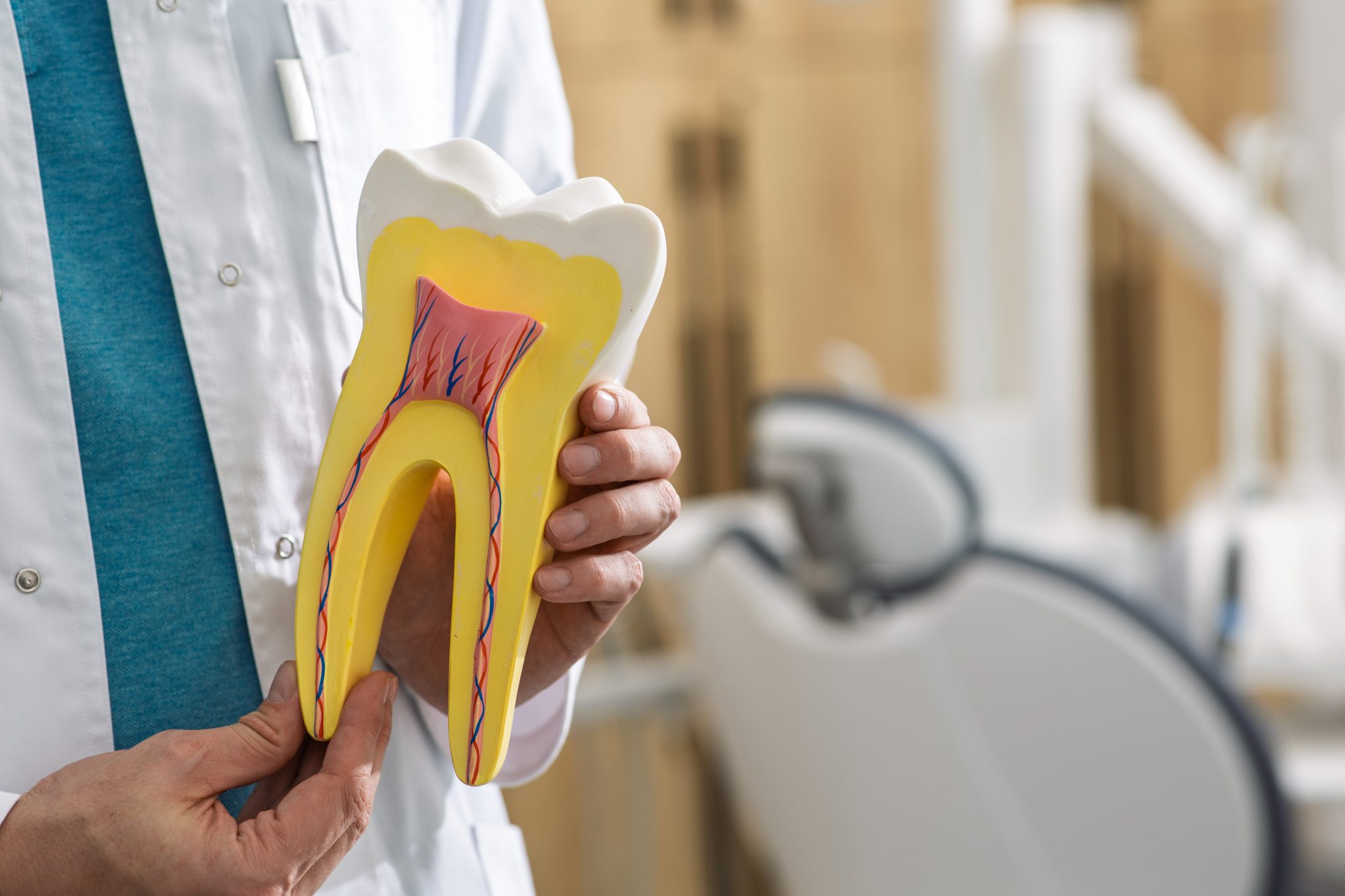
Prevention is not passive, and it is not one-size-fits-all
Some people hear the word preventive and assume it means doing very little. In reality, it requires active attention. A low-risk patient with excellent home care may only need standard intervals and occasional guidance. Another patient with gum disease history, dry mouth, frequent decay, or heavy tartar buildup may need closer monitoring and more frequent cleanings. The philosophy is the same, but the plan should be tailored.
That also means there are trade-offs. More frequent visits are not convenient for everyone. Some families have to coordinate around work, school, and transportation. Some patients are frustrated when they feel fine but are told a small cavity should be treated before it becomes painful. That frustration is understandable. Yet experience shows that comfort right now is not always a good measure of health. Many damaging dental changes are painless at first.
The best preventive care balances clinical judgment with practicality. It does not overreact to every minor finding, and it does not ignore risks just because a problem has not become symptomatic yet. That kind of judgment is what separates meaningful prevention from a generic reminder card.
Home care still carries most of the weight
Dental offices can guide, clean, diagnose, and treat, but daily habits at home still do most of the work. Two minutes of brushing twice a day, cleaning between teeth, limiting constant snacking, and paying attention to changes in the mouth are not glamorous habits. They are simply effective ones. The challenge is consistency.
Families who do well with preventive dentistry usually make oral health part of the household routine rather than an occasional concern. Children brush at set times. Adults replace worn toothbrushes without making a project of it. Sports mouthguards are used when needed. People do not wait six months to mention that cold drinks suddenly hurt on one side.
The basics are not complicated, but they are easier to maintain when a dental team keeps reinforcing them with specific, realistic advice. Generic instructions are easy to ignore. Practical suggestions, the right brush for crowded teeth, a fluoride rinse for a cavity-prone teen, a modified handle for an older adult with arthritis, tend to stick.
Why lifelong oral health is usually built in ordinary moments
When people imagine major health outcomes, they often picture major interventions. In dentistry, lifelong oral health is more often the product of ordinary moments repeated over years. A child’s first positive cleaning. A parent keeping a recall appointment instead of postponing it. A small filling placed before a crack spreads. Gum inflammation addressed before bone loss begins. malodentistry.com simcoe dentist Dry mouth recognized before root decay takes hold.
That is why Simcoe families continue to choose preventive dentistry. It matches the way most people actually want to care for themselves and the people they love. It is steady, sensible, and rooted in prevention rather than repair whenever possible. It protects time, reduces stress, and gives patients a better chance of keeping their natural teeth healthy and functional for decades.
For families searching for a "dentist near me," or comparing options for a dentist in Simcoe Ontario, the most valuable question is not only who can see them soon. It is who will help them stay well over time. The answer often begins with preventive care, and the benefits of that choice tend to show up year after year, quietly but unmistakably, in healthier mouths and fewer problems that never get the chance to grow.
Malo Family Dentistry — Business Info (NAP)
Name: Malo Family DentistryAddress: 100 Colborne St N, Simcoe, ON N3Y 3V1
Phone: +1-519-426-8155
Website: https://www.malodentistry.com/
Hours:
Monday: 7:30 AM – 12:00 PM; 1:00 PM – 5:00 PM
Tuesday: 7:30 AM – 12:00 PM; 1:00 PM – 5:00 PM
Wednesday: 7:30 AM – 12:00 PM; 1:00 PM – 5:00 PM
Thursday: 7:30 AM – 12:00 PM; 1:00 PM – 5:00 PM
Friday: 7:30 AM – 1:00 PM
Saturday: Closed
Sunday: Closed
Service Area: Simcoe, Ontario and Norfolk County
Open-location code (Plus Code): RMQV+G2 Simcoe, Norfolk, ON
Map/listing URL: https://maps.app.goo.gl/VBZ3Ygx4hjxW2vrf9
Embed iframe:
Socials (canonical https URLs):
Facebook: https://www.facebook.com/malodentistry/
https://www.malodentistry.com/
Malo Family Dentistry provides dental services for patients in Simcoe, Ontario and Norfolk County.
The clinic offers preventive care, cleanings, fillings, extractions, dental repairs, cosmetic dental work, dentures, mouthguards, and related dental services.
Patients can contact Malo Family Dentistry by calling +1-519-426-8155.
Hours listed are Monday to Thursday 7:30 AM–12:00 PM and 1:00 PM–5:00 PM, Friday 7:30 AM–1:00 PM, with Saturday and Sunday closed.
Malo Family Dentistry serves patients from Simcoe and surrounding Norfolk County communities.
For directions and listing details, use the map listing: https://maps.app.goo.gl/VBZ3Ygx4hjxW2vrf9
Popular Questions About Malo Family Dentistry
What dental services does Malo Family Dentistry provide?Malo Family Dentistry provides dental services including preventive care, cleanings, fillings, extractions, dental repairs, cosmetic dental work, dentures, mouthguards, and related care.
Where does Malo Family Dentistry serve patients?
Malo Family Dentistry serves Simcoe, Ontario and surrounding Norfolk County communities.
What are Malo Family Dentistry’s hours?
Monday–Thursday: 7:30 AM–12:00 PM and 1:00 PM–5:00 PM; Friday: 7:30 AM–1:00 PM; Saturday and Sunday closed.
Does Malo Family Dentistry list an email address?
No email address was provided. Contact the clinic by phone or through the website.
How can I contact Malo Family Dentistry?
Phone: +1-519-426-8155
Website: https://www.malodentistry.com/
Map: https://maps.app.goo.gl/VBZ3Ygx4hjxW2vrf9
Facebook: https://www.facebook.com/malodentistry/
Landmarks Near Simcoe, ON and Norfolk County
1) Norfolk County Fairgrounds2) Simcoe Recreation Centre
3) Downtown Simcoe
4) Norfolk Arts Centre
5) Port Dover Beach
6) Turkey Point Provincial Park
7) Long Point Provincial Park